
Faith is not a side topic in the New Testament — it is the heartbeat of the Christian life. Jesus spoke of faith constantly, trained His disciples through faith, and measured spiritual maturity by faith. Paul built the doctrine of the New Covenant entirely on the foundation of faith. From the first page of Matthew to the last page of Revelation, faith is the instrument through which God works in His people and advances His Kingdom in the world.

“Vision & Teaching of Fernando Jiménez”

Introduction
Why Faith Must Be the Core Teaching of the Church Today
The early Church understood a truth that modern Christianity has often diluted:
Without faith, nothing moves. Nothing grows. Nothing manifests. Nothing pleases God.
Faith is not motivational language.
It is divine currency, the spiritual law through which heaven interacts with earth.
It is the bridge between God’s promise and our reality.
1. Faith is the engine of Church growth
Every disciple Jesus trained was shaped by faith.
Faith opened doors, created boldness, overcame persecution, and launched the gospel into nations.
Where faith is taught, churches rise.
Where faith is neglected, churches stagnate.
2. Faith is the atmosphere of miracles
Every miracle in the Gospels is connected to faith — personal faith, the faith of friends, the faith of a community, or the faith of Jesus Himself.
The New Testament Church grew not only by preaching but by demonstration.
Faith makes the invisible Kingdom visible.
3. Faith is God’s pathway for provision
Faith trusts God’s care, releases generosity, breaks financial fear, and opens supernatural supply.
Jesus repeatedly tied provision to faith: “According to your faith…”
Paul confirmed the same principle across his letters.
4. Faith pleases God like nothing else
Scripture is blunt: “Without faith it is impossible to please God.” Faith honors God because it treats Him as real, present, faithful, powerful, and true. A faithless church becomes religious… but a faith-filled church becomes a force.
5. Faith provides solutions in every crisis
In the Gospels, faith calmed storms, healed diseases, broke demonic oppression, and restored broken people. In Paul’s letters, faith sustained missionaries, strengthened persecuted believers, and planted churches across the Roman Empire. Faith turns impossibilities into testimonies.
6. Faith defines the Christian life
We are saved by faith.
We walk by faith.
We pray in faith.
We resist the enemy by faith.
We live by faith.
We die in faith.
Faith is the lifestyle of the Kingdom — the normal life of a believer.
The Pastoral Nature of Faith
A pastor who teaches faith is building people to please God.
Faith shapes character, stabilizes families, heals emotional wounds, strengthens the weak, and awakens purpose in the heart.
Pastoral ministry without faith becomes counseling without power, preaching without expectation, and leadership without spiritual authority.
Faith forms disciples, equips leaders, strengthens communities, and builds churches that last.
Why Faith Must Be the Leading Voice of The Unfiltered Bible
The Unfiltered Bible is committed to restoring the raw, unhindered, original message of Jesus and the apostles. At the center of that message stands faith — bold, living, uncompromising, Spirit-born faith.
This is why faith will be the foundational theme on this platform:
-
Because Jesus made it central.
-
Because Paul built the New Covenant on it.
-
Because the Church needs it urgently today.
-
Because nothing in the Kingdom works without it.
Here, faith will not be softened, diluted, or reduced. Here, faith will be taught the way Jesus taught it — as the power of the Kingdom and the life of the believer.
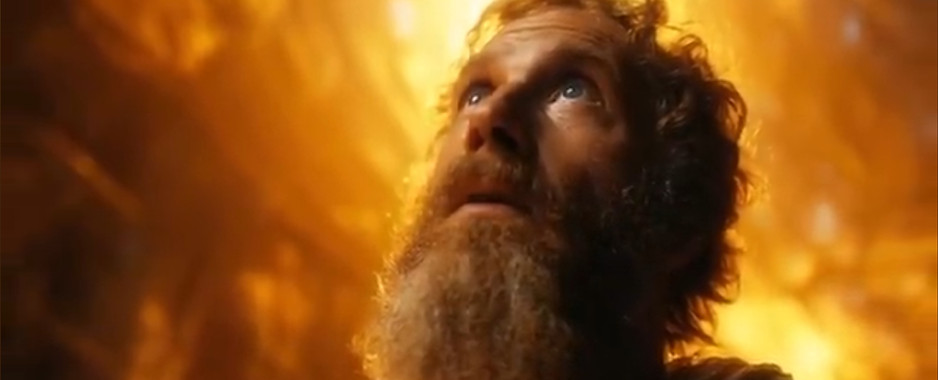
God takes one man, places him in impossible circumstances, and teaches the world what trust in the living God truly looks like. In Abraham we see faith stripped of religion, forged in obedience, and proven in the tension between promise and reality. His journey becomes the blueprint for every believer who dares to walk with God.”
“Vision & Teaching of Fernando Jiménez”
Introduction
Abraham was, at one moment in history, the only man on earth who believed God, listened to His voice, and obeyed Him. In a world filled with idolatry, corruption, and unbelief, God found one man through whom He could plant the seed of faith on planet earth.
Perhaps the most valuable truth about Abraham’s school of faith is that God Himself took delight in teaching faith personally to one man — His man. Everything God did, said, and touched in Abraham’s life was part of the lesson.
-
Daily life was the classroom: Abraham learned faith in the ordinary and extraordinary — in journeys, in altars built, in failures and restorations. Each step revealed more of God’s character.
-
The contradictory realities were the tests: Though his body was “as good as dead” and Sarah’s womb barren, Abraham “did not waver through unbelief” but believed the promise (Romans 4:19–21). Faith had to go beyond what was visible or logical.
-
Obedience was the final exam: When asked to sacrifice Isaac, Abraham obeyed, “reasoning that God could even raise the dead” (Hebrews 11:17–19).
-
The outcome was friendship with God: Scripture calls him “Abraham, God’s friend” (James 2:23). And the Lord declared him a prophet (Genesis 20:7).
The Nine Steps of Faith in Abraham
A Model for Believers
“Faith comes by hearing, and hearing by the word of God” (Romans 10:17). Every time God spoke to Abraham (9 times), his faith was stretched and lifted. These nine encounters outline the nine steps of faith every believer must walk.
Step 1: The Call of Faith
-
God spoke: Genesis 12:1–3 – “Leave your country… I will make you a great nation.”
-
Lesson: Faith begins by hearing God’s call and obeying without full details.
-
For believers: Salvation begins when God calls us out of the old life into His promise.
Step 2: The Promise of Inheritance
-
God appeared: Genesis 12:7 – “To your offspring I will give this land.”
-
Lesson: Faith looks ahead to promises not yet possessed.
-
For believers: God promises us an eternal inheritance in Christ (Ephesians 1:11).
Step 3: Assurance After Loss
-
God spoke: Genesis 13:14–17 – After Lot left, God reconfirmed the promise.
-
Lesson: Faith grows stronger when we trust God after separation or loss.
-
For believers: True faith clings to God even when people or opportunities depart.
Step 4: Covenant Vision
-
God spoke in vision: Genesis 15:1–21 – Stars, covenant sacrifice, prophecy.
-
Lesson: Faith is counted as righteousness (Gen 15:6). Believers learn covenant relationship.
-
For believers: Justification by faith — the foundation of the Christian life (Romans 5:1).
Step 5: Covenant of Circumcision
-
God appeared: Genesis 17:1–22 – “Walk before me blameless.” Name change.
-
Lesson: Faith demands consecration and identity change.
-
For believers: Faith separates us unto God. Baptism and new identity in Christ mark this step.
Step 6: Impossible Promise Confirmed
-
God appeared at Mamre: Genesis 18:1–33 – Promise of Isaac, dialogue about Sodom.
-
Lesson: Faith trusts God for the impossible and intercedes for the world.
-
For believers: Faith enlarges our vision — we intercede and believe for miracles.
Step 7: Prophetic Identity Affirmed
-
God spoke to Abimelek in dream: Genesis 20:3–7 – Abraham called a prophet.
-
Lesson: Faith establishes spiritual authority and protection, even in human weakness.
-
For believers: God confirms His calling and protects His children, despite weakness.
Step 8: The Test of Faith
-
God spoke: Genesis 22:1–2 – “Take your son, your only son Isaac…”
-
Lesson: Faith is proven by obedience, even when it costs everything.
-
For believers: Every disciple must face the altar of surrender — faith must go beyond comfort into costly obedience.
Step 9: The Oath of Blessing
-
God spoke (angel of the Lord): Genesis 22:15–18 – “Because you have obeyed… I will surely bless you.”
-
Lesson: Faith ends in blessing, multiplication, and legacy for generations.
-
For believers: The life of faith releases inheritance, multiplication, and global impact in Christ (Galatians 3:9, 14, 29).
Conclusion
Yes, the nine appearances/words of God to Abraham are the nine steps of faith in the believer’s journey. Each stage begins with God speaking, and each requires a deeper response. Just as Abraham grew into the father of faith by these encounters, believers grow step by step — from the call, through consecration and obedience, into generational blessings.
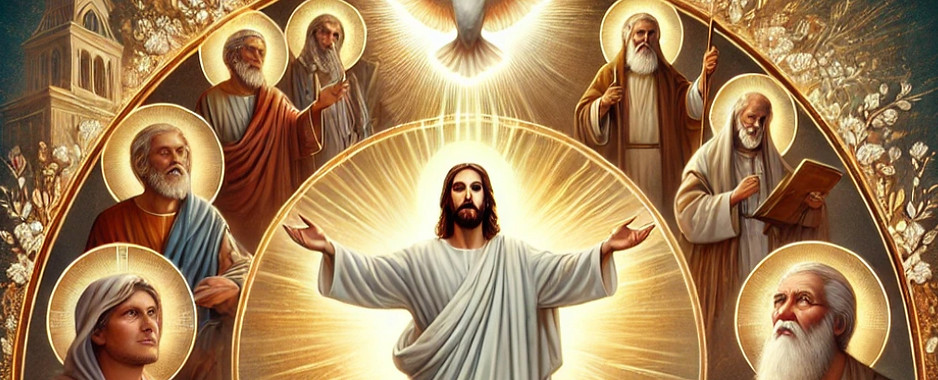
“Jesus takes faith to its highest expression. He opens it to all nations, shows that God is moved by genuine belief, and calls His disciples into works greater than they ever imagined. In Jesus, faith becomes universal, powerful, and active — the doorway into the life and authority of the Kingdom.”
“Vision & Teaching of Fernando Jiménez”
Introduction
Jesus School of faith is built around nine levels of faith that form the very core of His teaching. While Jesus spoke about faith and celebrated it on many occasions, these nine moments concentrate the essential elements of how faith works in the life of a believer. Here we find the journey every disciple must take — from the first step of salvation to the highest expression of faith that moves mountains and brings miracles.
The word used in the New Testament for faith is pistis (πίστις), which means trust, conviction, reliance, or persuasion. Faith is more than mental belief — it is confidence that leads to action. Jesus treated faith as the key that unlocked healing, forgiveness, deliverance, and even authority over creation itself.
In His teaching, Jesus used different expressions of faith to reveal its strength or weakness:
-
Oligopistos (ὀλιγόπιστος) – “little faith” (Matthew 6:30; 8:26; 14:31) – used when disciples doubted or feared.
-
Pistis (πίστις) – simply “faith” (Mark 5:34; Luke 7:50) – often affirmed when someone received healing or salvation.
-
Megas pistis (μεγάλη πίστις) – “great faith” (Matthew 8:10; 15:28) – used only twice, both times for Gentiles who trusted Jesus beyond what was seen or expected.
These variations show that faith is not static — it grows, struggles, and matures. Jesus rebuked weak faith, honored persistent faith, and celebrated great faith. Therefore, in these nine levels of faith, we see the ring of essentials that define the believer’s journey. They are not theory, but lived experiences: faith that saves, touches, speaks, persists, conquers fear, grows, opens to all, forgives, and finally, does the greater works of Christ.
The School of Faith of Jesus – 9 Lessons
1. Saving Faith – Faith That Brings New Life
-
Verse: Luke 7:50 – “Your faith has saved you; go in peace.”
-
Greek Word: Pistis (πίστις) – trust, conviction, reliance.
-
Core Meaning: Faith receives forgiveness and opens the door to salvation.
-
Lesson: The Christian life begins when a person believes in Christ for salvation. Pastors must always keep salvation by faith at the center of their ministry.
2. Touching Faith – Faith That Draws Power
-
Verse: Mark 5:27–30 – The woman touched His cloak, and power went out.
-
Greek Word: Haptomai (ἅπτομαι) – to fasten to, to make contact.
-
Core Meaning: Faith is not passive — it reaches out to draw from God’s power.
-
Lesson: Believers who act in faith, even quietly, can access healing and breakthrough. Pastors should teach that faith moves from believing to action.
3. Spoken Faith – Faith That Commands by the Word
-
Verse: Matthew 8:8–10 – “Just say the word, and my servant will be healed.”
-
Greek Word: Logos (λόγος) – word, declaration, authority.
-
Core Meaning: Faith recognizes the authority of the spoken Word of God.
-
Lesson: Spoken faith does not beg but declares. Pastors must teach believers to use God’s Word as authority over sickness, demons, and circumstances.
4. Persisting Faith – Faith That Refuses to Quit
-
Verse: Matthew 15:27–28 – “Even the dogs eat the crumbs…”
-
Greek Word: Menō (μένω) – to remain, endure, persist.
-
Core Meaning: True faith presses through silence, rejection, and offense until breakthrough comes.
-
Lesson: Faith is tested by delay. Pastors must encourage believers to keep praying and believing when answers seem far away.
5. Fear vs. Faith – Faith That Calms the Storm
-
Verse: Mark 4:40 – “Why are you so afraid? Do you still have no faith?”
-
Greek Word: Phobos (φόβος) – fear, panic, withdrawal.
-
Core Meaning: Fear and faith cannot rule together — one silences the other.
-
Lesson: Faith overcomes fear by fixing on Jesus, not the storm. Pastors must help believers to respond to crises with faith, not fear.
6. Growing Faith – Faith That Learns to Walk
-
Verse: Matthew 14:29–31 – Peter walked on water, then sank.
-
Greek Word: Oligopistos (ὀλιγόπιστος) – “little faith.”
-
Core Meaning: Faith grows as it is tested — little faith can become strong faith.
-
Lesson: Growth comes by stepping out. Pastors must model and teach how to stretch faith beyond comfort zones.
7. Universal Faith – Faith Open to All
-
Verse: Mark 9:23 – “Everything is possible for one who believes.”
-
Greek Word: Pisteuō (πιστεύω) – to believe, entrust, commit.
-
Core Meaning: Jesus made faith universal — open to anyone, anywhere, at any time.
-
Lesson: Faith is not limited to apostles, pastors, or leaders — it is for every believer. Pastors must proclaim the open invitation: “Everything is possible for those who believe.”
8. Forgiving Faith – Faith That Works by Love
-
Verse: Mark 11:24–25 – “When you pray, believe… and forgive.”
-
Greek Word: Aphiēmi (ἀφίημι) – to release, let go, forgive.
-
Core Meaning: Faith and forgiveness are inseparable — unforgiveness blocks faith’s power.
-
Lesson: Pastors must teach that answered prayer requires a forgiving heart. Faith is effective only when it flows through love.
9. The Greatest Faith – Faith for Greater Works
-
Verse: John 14:12 – “Whoever believes in me will do the works I have been doing, and greater things…”
-
Greek Word: Megas (μέγας) – great, mighty, surpassing.
-
Core Meaning: The summit of faith is believing that God can work greater things through us by His Spirit.
-
Lesson: Pastors must challenge believers to move beyond personal needs into kingdom impact — healing the sick, casting out demons, preaching Christ, and transforming nations.
Conclusion
Jesus rebuked unbelief more sharply than almost anything else. When the disciples panicked in the storm, He asked, “Why are you afraid, O you of little faith?” (Matthew 8:26). When Peter began to sink, He said, “You of little faith, why did you doubt?” (Matthew 14:31). In His hometown, Nazareth, Jesus “could not do many mighty works there because of their unbelief” (Matthew 13:58).
These moments show that unbelief shuts the door to God’s power, while faith opens it wide. Faith was always requested by Jesus, because it connects man to God’s limitless possibilities. Through faith we receive healing, provision, guidance, and transformation.
Faith not only improves and heals our lives, it also brings us close to God Himself — for “without faith it is impossible to please Him” (Hebrews 11:6). Therefore, Jesus placed faith at the very heart of His teaching: because faith is the key that unlocks heaven on earth, and positions us to live in God’s favor, power, and purpose.
“Paul takes faith from experience to revelation. He unveils its architecture, its power, and its demands under the New Covenant. In Paul, faith becomes defined, explained, and operational — the means by which the believer stands justified, walks in the Spirit, confronts darkness, and lives in the victory of Christ. His teaching turns faith into a disciplined, Spirit-charged way of life that shapes the Church and empowers its mission.”
“Vision & Teaching of Fernando Jiménez”

Introduction
Paul’s school of faith begins on the Damascus road and unfolds through his letters as a single, blazing claim: in the gospel, the righteousness of God (dikaiosynē) is revealed and “the righteous shall live by faith” (Rom 1:16–17) For Paul, justification (dikaioō) is God’s courtroom verdict—an unearned acquittal granted through Christ and received by faith, not by works (Rom 3:21–26; 5:1).
That verdict launches salvation as a whole life: once-for-all, being-worked-in, and finally completed (Eph 2:8–9; 1 Cor 1:18; Rom 5:9–10). From there Paul trains us to live in the Spirit rather than the flesh (Rom 8), to embrace the obedience of faith (hypakoē pisteōs, Rom 1:5; 16:26), and to practice faith that works through love (Gal 5:6).
His own scars teach that grace is perfected in weakness (2 Cor 12:9), while his churches and sons in the faith (Timothy) show faith transmitted by discipleship and mission. This is Paul’s curriculum for pastors and believers alike: grounded in justification, formed by the Spirit, obedient in love, resilient in trial, and propelled to the nations—living by faith, from faith to faith.
The School of Faith of Paul – 9 Lessons
Lessons 1. The Righteous Will Live by Faith
-
Verse: Romans 1:17 – “For in the gospel the righteousness of God is revealed—a righteousness that is by faith from first to last, just as it is written: ‘The righteous will live by faith.’”
-
Greek Word: Dikaiosynē (δικαιοσύνη) – righteousness, justice, the state of being in right relation to God.
-
Core Meaning: In Greek, dikaiosynē carries the idea of being declared just, acquitted, or made right before God. It is not human morality or personal merit, but a legal and relational standing given by God through faith.
-
Explanation: Paul draws from Habakkuk 2:4 to show that God’s righteousness is not revealed by law, effort, or heritage, but by faith. The believer’s life is sustained by this righteousness received from God.
-
Lesson: The School of Faith begins here: the Christian life is not built on human effort but on the righteousness of God received through faith. Pastors must teach that justification by faith is the foundation of all ministry and life with God.
Lessons 2.Faith Comes by Hearing
-
Verse: Romans 10:17 – “So then faith comes by hearing, and hearing by the word of Christ.”
-
Greek Word: Erchomai (ἔρχομαι) – to come, arrive, be brought forth, to make an entrance.
-
Core Meaning: Erchomai implies movement or arrival. Faith is not static; it comes into the heart through a channel — the Word of Christ. It is like a seed that arrives, is planted, and begins to grow.
-
Explanation: The way faith increases in a believer’s life is not by emotion, tradition, or effort, but by filling the heart with God’s Word. The more Word you receive, meditate on, and store in your spirit, the more faith comes and takes root. Faith does not appear in a vacuum — it “arrives” when the Word of Christ enters.
-
Lesson: If a pastor wants to build strong believers, he must continually sow the Word. And if a believer wants stronger faith, he must continually expose his heart to the Word. More Word = more faith.
Lessons 3.The Word of Faith We Preach
-
Verse: Romans 10:8 – “But what does it say? ‘The word is near you; it is in your mouth and in your heart,’ that is, the message concerning faith that we proclaim.”
-
Greek Words:
-
Logos (λόγος) – the full message, reason, principle, or eternal Word (often used of Christ Himself, John 1:1).
-
Rhēma (ῥῆμα) – a spoken word, an utterance, a declaration made alive in a moment.
-
Core Meaning: Logos is the eternal, unchanging Word of God. Rhēma is when that Word is spoken, applied, or quickened to the heart. Paul here uses rhēma because he is speaking of the proclaimed gospel — the Word that is believed in the heart and confessed with the mouth. Faith doesn’t just stay in Scripture as logos; it becomes effective when declared as rhēma.
-
Explanation: Paul shows that the word of faith is not distant or inaccessible. It is “near you” — in your heart (believed) and in your mouth (spoken). When the eternal logos of God becomes a personal rhēma in the believer’s life, it produces salvation, transformation, and power.
-
Lesson: Faith is not complete until it is confessed. Pastors must teach believers to turn what they read (logos) into what they declare (rhēma). The preached Word brings faith alive because it is the rhēma of God’s promise made present.
Lessons 4. Obedience of Faith — Faith That Hears and Acts
-
Verse: Romans 16:26 — “but now revealed and made known through the prophetic writings by the command of the eternal God, so that all the Gentiles might come to the obedience that comes from faith.”
-
(cf. Romans 1:5 — “Through him we received grace and apostleship to call all the Gentiles to the obedience that comes from faith for his name’s sake.”)
-
Greek Word: Hypakoē (ὑπακοή) — responsive obedience; literally “to hear under” (from hypo = under + akouō = hear). It’s hearing with surrendered intent, resulting in action.
-
Core Meaning: For Paul, faith is not mere assent; real faith submits to what it hears and acts accordingly. The goal of the gospel among the nations is obedience-of-faith—a whole way of life under Jesus’ lordship.
-
Explanation: Because faith “comes” by the Word (Rom 10:17), the next step is hearing-under that Word—ordering conduct, speech, and decisions to it. This isn’t legalism; it’s trust expressed as loyal obedience.
-
Lesson (for believers/pastors): Disciple people into a hearing-and-doing lifestyle. Measure growth not by information but transformation
Lessons 5. Faith Working Through Love
-
Verse: Galatians 5:6 – “For in Christ Jesus neither circumcision nor uncircumcision has any value. The only thing that counts is faith expressing itself through love.”
-
Greek Word: Energeō (ἐνεργέω) – to be active, to work effectively, to be energized.
-
Core Meaning: Paul explains that faith is not a dead belief but a living force, energized and made effective by love (agapē). Love is the atmosphere where faith operates.
-
Explanation: Rituals like circumcision or external rules don’t give power to faith. Instead, love is the true engine that makes faith effective. A faith without love is powerless and empty, but faith rooted in love is unstoppable.
-
Lesson: For pastors and believers, faith must never become cold, harsh, or self-centered. It must flow through love in words, actions, forgiveness, and daily relationships. Faith works when love fuels it.
Lessons 6. The Shield of Faith
-
Verse: Ephesians 6:16 – “In addition to all this, take up the shield of faith, with which you can extinguish all the flaming arrows of the evil one.”
-
Greek Word: Thureos (θυρεός) – a large, door-shaped shield that covers the whole body.
-
Core Meaning: Faith is not only offensive but also defensive. It protects the believer from Satan’s attacks — lies, temptations, accusations, discouragements.
-
Explanation: Roman soldiers used the thureos shield to cover themselves and interlock with others, forming a wall of defense. In the same way, faith protects individuals and churches when they stand together.
-
Lesson: Believers must keep faith lifted at all times. Pastors must teach their congregations that faith is the shield that quenches the enemy’s arrows — fear, doubt, condemnation — and allows us to stand firm in Christ.
Lessons 7. My True Son in the Faith
-
Verse: 1 Timothy 1:2 – “To Timothy my true son in the faith: Grace, mercy and peace from God the Father and Christ Jesus our Lord.”
-
Greek Word: Gnēsios (γνήσιος) – genuine, authentic, legitimate.
-
Core Meaning: Paul affirms Timothy as his authentic son “in the faith.” Here faith is not only personal trust but also a shared life, a bond of discipleship and spiritual fathering.
-
Explanation: Faith is relational and transferable. Paul did not only preach faith; he imparted it to others through mentorship. Timothy became a son in the faith because he received Paul’s teaching, example, and spirit.
-
Lesson: Pastoral ministry requires raising genuine sons and daughters in the faith. Faith is multiplied when it is passed on to the next generation of leaders.
Lessons 8. Fighting the Good Fight of Faith
-
Verse: 1 Timothy 6:12 – “Fight the good fight of the faith. Take hold of the eternal life to which you were called when you made your good confession in the presence of many witnesses.”
-
Greek Word: Agōnizomai (ἀγωνίζομαι) – to contend, struggle, compete, fight with intensity.
-
Core Meaning: Faith is not passive or easy. It requires struggle, endurance, and perseverance. The life of faith is pictured as a battle or athletic contest.
-
Explanation: Paul’s words connect faith to both confession and perseverance. Faith must be confessed openly, and then defended courageously in trials and opposition.
-
Lesson: Pastors must train believers to be spiritual athletes and soldiers. Faith must be fought for daily — resisting sin, enduring trials, and holding fast to eternal life.
Lessons 9. From Faith to Faith – Walking by Faith
-
Verse: 2 Corinthians 5:7 – “For we walk by faith, not by sight.”
-
Greek Word: Peripateō (περιπατέω) – to walk about, to live, to conduct one’s life.
-
Core Meaning: Faith is not a moment but a lifestyle. To “walk” by faith means that faith governs every step, every decision, every day.
-
Explanation: Paul also describes this as “from faith to faith” (Romans 1:17) — faith growing, deepening, moving forward. Life in Christ is a progressive journey where faith expands continually.
-
Lesson: The summit of Paul’s School of Faith is living daily by faith, with eyes fixed not on what is seen but on what is unseen. Pastors must model this lifestyle of constant trust, leading believers from one level of faith to the next.
Conclusion
For Paul, faith isn’t a topic; it’s the air the Church breathes. From “the righteous shall live by faith” (Rom 1:17) to “we walk by faith, not by sight” (2 Cor 5:7), he makes pistis the engine of justification, sanctification, mission, and endurance. It’s no accident that Paul uses “faith” more than any other New Testament writer—well over a hundred times in his letters (roughly half of the NT’s total uses), with Romans and Galatians alone saturating the reader in the language of faith.
The fourteen churches Paul planted across Acts did not grow on programs but on the faith he imparted—a preached word that created belief (Rom 10:17), a lived example that modeled obedience (Acts 20:20–21), and a guarded deposit passed on to faithful people (2 Tim 1:13–14; 2:2). Luke’s verdict is clear: “the churches were strengthened in the faith and grew daily in numbers” (Acts 16:5).
That is the pattern we must recover today—pastors proclaiming the word of faith, believers standing firm and being established (1 Cor 16:13; Col 2:6–7), and every church handing a living faith to the next generation, not mere structures. If we live by that same faith and pass it on now, fruitfulness and endurance will follow.